
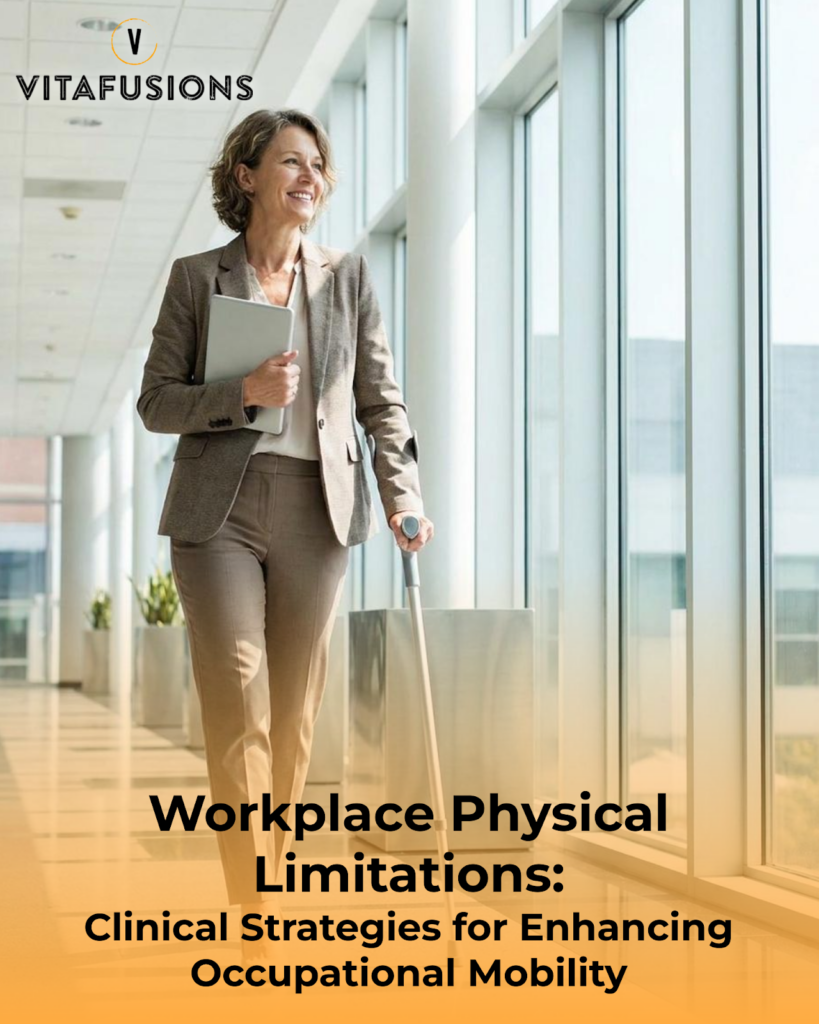
Workplace Physical Limitations: Clinical Strategies for Enhancing Occupational Mobility
Workplace Physical Limitations: Clinical Strategies for Enhancing Occupational Mobility
Every day, many people go to work facing physical limitations that make their jobs more challenging. While some limitations are due to temporary injuries, others are the result of chronic conditions. These physical barriers can lead to frustration and even affect a person’s confidence and performance at work. But don’t worry, there are clinical strategies that can help improve occupational mobility and make working life easier and more enjoyable.
Understanding Workplace Physical Limitations
Physical limitations in the workplace can be caused by a variety of issues. Some people might have trouble standing for long periods, while others may find it difficult to lift heavy objects or reach for items on high shelves. These limitations can stem from conditions such as arthritis, back pain, or even past injuries that haven’t healed properly.
It’s important to remember that everyone experiences physical limitations differently. While one person might feel pain or discomfort, another might struggle with mobility or flexibility. These challenges can lead to feelings of frustration or even embarrassment, especially if someone feels like they can’t perform their job duties effectively or keep up with their coworkers.
Impact of Physical Limitations
When physical limitations interfere with work, it can create a negative cycle. For instance, an employee might feel stressed or anxious about their performance, leading to decreased job satisfaction. This stress can also affect their physical health, potentially making the limitations worse.
Moreover, when someone can’t perform their tasks as expected, it may affect team dynamics and productivity. This can further contribute to a sense of isolation or low self-esteem, especially if the person feels like they’re letting down their team or company.
Clinical Strategies for Enhancing Mobility
Fortunately, there are several clinical strategies that can help improve occupational mobility. These strategies are designed to address the root causes of physical limitations and provide support to those in need. By focusing on both physical and emotional well-being, these strategies aim to enhance overall quality of life at work.
1. Personalized Physical Therapy
Physical therapy is a fantastic way to address mobility issues. A physical therapist can create a personalized exercise plan tailored to an individual’s specific needs. This plan can help strengthen muscles, improve flexibility, and reduce pain. By focusing on areas that need the most attention, physical therapy can make everyday tasks at work easier and more comfortable.
2. Ergonomic Adjustments
Making simple changes to the workplace environment can have a big impact. Ergonomic adjustments involve modifying workstations to fit the employee’s needs better. This might include adjusting the height of a desk or chair, using supportive equipment like wrist rests, or even changing the layout of a workspace to reduce strain.
3. Occupational Therapy
Occupational therapy focuses on helping individuals perform daily activities more effectively. For those with physical limitations, an occupational therapist can suggest techniques and tools that make work tasks more manageable. This might include using assistive devices or learning new ways to accomplish tasks without causing discomfort.
4. Strengthening and Conditioning Programs
Strengthening and conditioning programs can be an effective way to address physical limitations. These programs focus on building overall strength and endurance, which can help reduce the impact of physical limitations. By participating in regular exercise routines, individuals can improve their physical capabilities and boost their confidence at work.
Benefits of Clinical Strategies
Implementing clinical strategies can lead to numerous benefits for employees facing physical limitations. Here are some of the most notable advantages:
- Improved Physical Health: Targeted interventions can help reduce pain and improve mobility, making it easier to perform job tasks.
- Enhanced Confidence: With the right support, individuals can feel more capable and confident in their abilities.
- Increased Job Satisfaction: When physical limitations are managed effectively, people are more likely to enjoy their work and feel fulfilled in their roles.
How to Get Started with Clinical Strategies
If you’re experiencing physical limitations at work, consider taking these steps to get started with clinical strategies:
- Consult a Healthcare Professional: Speak with a doctor or physical therapist who can assess your specific needs and recommend appropriate interventions.
- Explore Workplace Adjustments: Discuss ergonomic changes with your employer or HR department to create a more supportive work environment.
- Stay Committed to Your Plan: Consistency is key when it comes to improving mobility. Stick to your exercise and therapy plans to see the best results.
Conclusion
While physical limitations can create challenges at work, it’s important to remember that there are solutions available. By utilizing clinical strategies and seeking support from professionals, individuals can enhance their occupational mobility and enjoy a more fulfilling work experience. Remember, taking the first step towards addressing these limitations is the start of a journey to improved health and confidence.
Schedule a Free Consultation