
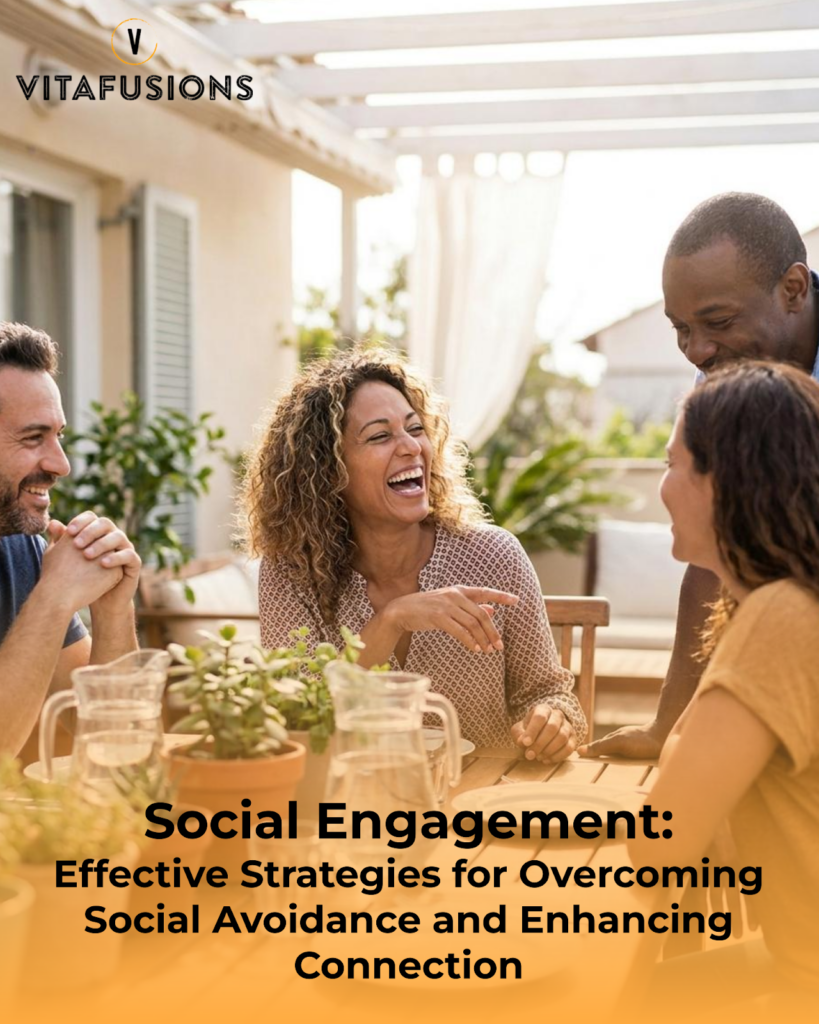
Social Engagement: Effective Strategies for Overcoming Social Avoidance and Enhancing Connection
Social Engagement: Effective Strategies for Overcoming Social Avoidance and Enhancing Connection
Have you ever felt nervous about meeting new people or joining a group activity? If so, you’re not alone. Many people experience social avoidance, which can make it hard to connect with others and enjoy social events. But don’t worry—there are ways to overcome these feelings and enhance your social connections.
Understanding Social Avoidance
Social avoidance is when someone feels anxious or uncomfortable in social situations. This can lead to avoiding parties, gatherings, or even small meet-ups with friends. For many, the thought of interacting with others can bring about feelings of fear or embarrassment.
People who experience social avoidance might worry about being judged or not fitting in. They may feel frustrated because they want to be social but find it difficult to take the first step. This can lead to feelings of loneliness and missed opportunities to make new friends.
The Impact of Social Avoidance
Social avoidance can affect various aspects of a person’s life. It can impact relationships, work, and even self-confidence. When someone avoids social situations, they might miss out on fun activities and meaningful connections.
Feeling isolated can also lead to sadness or anxiety. It’s important to remember that these feelings are common and that there are ways to address them with patience and support.
Strategies to Overcome Social Avoidance
Start Small
Begin with small, manageable steps. This might mean starting a conversation with a coworker or joining a small group activity. The key is to gradually build your comfort level over time.
Practice Active Listening
Focus on listening to others during conversations. This helps take the pressure off yourself and shows genuine interest in what others have to say. Active listening can lead to deeper connections and more meaningful interactions.
Set Realistic Goals
Set achievable goals for yourself, like attending one social event a month or inviting a friend for coffee. Celebrate your progress, no matter how small it might seem.
Use Positive Self-Talk
Encourage yourself with positive thoughts. Remind yourself that it’s okay to feel nervous and that you’re capable of handling social situations. Positive self-talk can boost your confidence and reduce anxiety.
Seek Support
Don’t hesitate to seek support from friends, family, or professionals. Sometimes, talking about your feelings with someone you trust can make a big difference. They can offer encouragement and advice on how to approach social situations.
Activities to Enhance Social Connection
Join a Club or Group
Consider joining a club or group that aligns with your interests. Whether it’s a book club, sports team, or hobby group, being part of a community with shared interests can make socializing easier and more enjoyable.
Volunteer
Volunteering is a great way to meet new people while giving back to your community. It can provide a sense of purpose and create opportunities for meaningful connections.
Participate in Local Events
Look for local events, like fairs or community gatherings, where you can meet people in a relaxed environment. Attending these events can be a fun way to connect with others and explore your community.
Building Confidence in Social Situations
Prepare Ahead of Time
Before heading into a social situation, take a few moments to prepare. Think about conversation topics or questions you can ask. Being prepared can help ease nerves and make interactions smoother.
Focus on the Present
Try to stay present in the moment during social interactions. Avoid overthinking or worrying about what others might think. Enjoy the experience and focus on connecting with those around you.
Benefits of Improving Social Engagement
- Increased confidence and self-esteem
- Stronger relationships and friendships
- Improved mental health
- Greater opportunities for personal growth
- Enhanced sense of belonging and community
Creating a Supportive Environment
Building a supportive environment can make it easier to engage socially. Here are some tips to create such an environment:
- Encourage open communication with friends and family.
- Participate in group activities where everyone is encouraged to contribute.
- Attend events that promote inclusivity and acceptance.
- Create a welcoming space at home for gatherings.
- Embrace diversity and learn from different perspectives.
Conclusion
Social engagement is a valuable part of a healthy, fulfilling life. By understanding social avoidance and implementing effective strategies, anyone can work towards overcoming these challenges. Remember, it’s perfectly okay to take things one step at a time and seek support when needed. Building connections and enhancing social engagement is a journey worth taking, and the rewards of new friendships, improved confidence, and a sense of belonging are well worth the effort.
Schedule a Free Consultation