
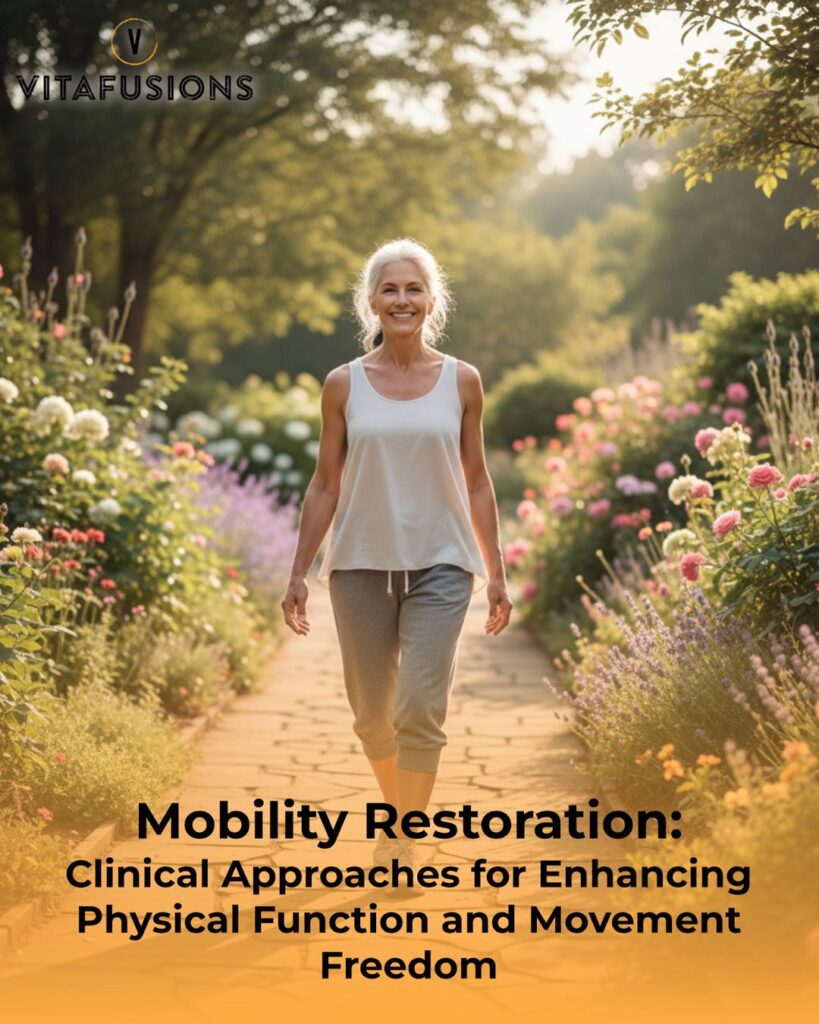
Mobility Restoration: Clinical Approaches for Enhancing Physical Function and Movement Freedom
Mobility Restoration: Clinical Approaches for Enhancing Physical Function and Movement Freedom
Most people dream of moving freely without any pain or limitations. Being able to walk, run, and perform daily activities effortlessly is something many of us often take for granted until we face a situation where our mobility is restricted. Whether it’s due to an injury, illness, or simply aging, reduced mobility can be incredibly frustrating and often affects more than just the physical aspects of one’s life.
Understanding the Condition of Reduced Mobility
Reduced mobility refers to difficulty in moving around as easily as one used to. This can result from several factors like injuries, diseases, or simply the natural process of aging. Conditions like arthritis or after-effects of a surgery can sometimes make the simplest tasks, like walking up the stairs, challenging.
Feeling restricted in movement can create a lot of frustration. Imagine wanting to play soccer with friends but finding it exhausting or even painful to run. It can make one feel left out and sometimes create a sense of helplessness. This situation can also make everyday tasks like shopping or cleaning far more difficult, adding to a person’s stress and emotional toll.
Besides the physical limitations, reduced mobility can also affect confidence and mental health. Not being able to participate in activities or needing assistance can lead to feelings of embarrassment or isolation, especially when everyone else seems to be moving around with ease.
Clinical Approaches for Restoring Mobility
1. Physical Therapy
Physical therapy is often one of the first and most effective steps towards improving mobility. Therapists design specific exercises to strengthen muscles, improve flexibility, and increase range of motion. This method not only helps to restore physical function but also focuses on preventing further injuries.
The beauty of physical therapy is its personalized approach. It caters to each person’s unique condition, ensuring the exercises are both safe and effective. Working with a therapist means having someone guide you, ensuring you do each movement correctly and encouraging progression.
2. Medication
Sometimes, medications can be used to help manage pain or reduce inflammation, making movement easier. For instance, those with arthritis might use certain prescribed drugs to help ease joint pain. Medicine, when used accurately and as prescribed, can provide significant relief for many.
However, medication is usually a supportive method rather than a primary solution for mobility issues. It helps manage symptoms while individuals continue working on improving their movement through other methods like therapy or exercise.
3. Assistive Devices
There are various devices designed to assist those with mobility challenges. From simple tools like canes and walkers to more advanced technology like powered wheelchairs or exoskeletons, these devices can greatly increase a person’s independence.
Using assistive devices can significantly reduce the physical effort required for movement. This empowerment can make daily activities more manageable, allowing individuals to participate more actively in their community and personal interests.
4. Surgery
In some cases, surgery may be required to address underlying problems causing mobility issues. This is often considered when other treatment methods don’t improve the condition effectively. Examples include joint replacements or surgeries to correct structural issues.
Surgeries are usually conducted with the aim of restoring function and alleviating pain, allowing for better movement freedom and quality of life. Post-surgery, therapy and rehabilitation are crucial to ensure successful recovery and results.
How These Treatments Help
Combining these clinical approaches offers a comprehensive way to tackle mobility problems. Each method plays a role in different stages of recovery and is often intertwined for the best results. A physical therapist might work with a patient using pain relief medication to maximize the benefits of exercise routines, for example.
- Physical Activity: Encourages muscle development and joint flexibility.
- Medication: Manages pain, reduces inflammation, and improves mobility during recovery periods.
- Assistive Devices: Supports safe, independent movement and improves quality of life.
- Surgery: Provides structural corrections to enable better movement.
Combining treatments can offer a synergy, with each element enhancing the other’s effectiveness. This integrative approach ensures that both immediate and long-term mobility challenges are addressed for the best possible outcome.
Helping Kids Understand Mobility Restoration
Kids might wonder why an adult can’t run as fast or why someone uses a cane. These treatments focus on helping individuals regain as much natural movement as possible. It’s much like how practice makes you better at sports—these therapies and treatments help the body get better at moving again.
- Therapists act like coaches, training the body to move better.
- Meds work like tools, helping to ease discomfort to exercise smoothly.
- Gadgets, like a wheelchair, offer extra power to keep moving despite the challenges.
- Surgery fixes the big problems when other solutions aren’t enough.
Working together, these treatments focus on making everyday life a little easier, much like how you might use different tools to build a treehouse—each one having its special job to make the goal possible.
Conclusion
Restoring mobility is about finding the right balance of treatments that work best for each individual situation. Combining different clinical approaches allows people to enjoy more freedom in their daily activities and get back to doing things they love. Building confidence and improving a person’s quality of life is the ultimate goal.
While challenges with mobility are tough, having a clear plan with supportive treatments can make a significant difference. It empowers individuals, offering a way out from the limitations that once held them back. Restoring mobility opens the door to a world full of possibilities—where moving is a joy and not a struggle.
Interested in Semaglutide?
Schedule a Consultation