
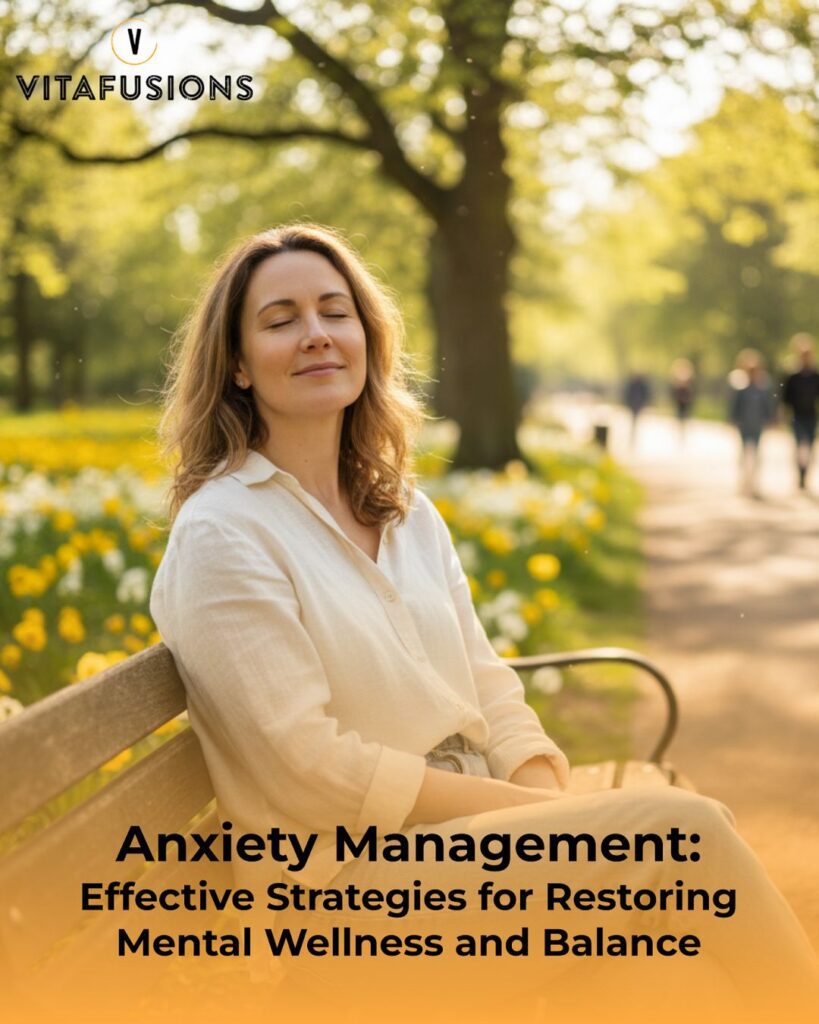
Anxiety Management: Effective Strategies for Restoring Mental Wellness and Balance
Anxiety Management: Effective Strategies for Restoring Mental Wellness and Balance
Anxiety can make life feel a bit wobbly, like being on a shaky bridge. Luckily, even though anxiety can feel overwhelming at times, there are ways to help manage it and bring balance back. Let’s explore what anxiety feels like and some effective strategies to keep it from taking over your day-to-day life.
Understanding Anxiety
Everyone feels anxious sometimes, like before a big test or during a tricky situation. But anxiety becomes a problem when those feelings don’t go away and start affecting how you live. You might feel nervous for no reason, have a hard time sleeping, or find it difficult to concentrate.
Some common signs of anxiety include:
- Feeling restless or tense
- Having a “knot” in your stomach
- Getting tired easily
- Having a fast heartbeat
- Sweating more than usual
Anxiety can also lead to frustration. For example, imagine planning a fun day out but canceling it just because the worry feels too big to handle. This leads to missing out on things you love, and that only adds to the stress.
Tips to Tame Anxiety
1. Breathing Exercises
Taking slow, deep breaths can help calm your mind. Try this: Inhale through your nose for four seconds, hold your breath for four seconds, then exhale through your mouth for four seconds. Repeat until you feel more relaxed.
2. Stay Active
Exercise is like a natural mood booster. It helps your brain release chemicals called endorphins, which make you feel happier. Activities like jogging, biking, or even a dance-off in your room can lift your spirits.
3. Talk It Out
Sometimes, sharing your feelings with a friend, family member, or counselor helps chip away the weight of anxiety. They can offer support and maybe a new perspective on what’s bothering you.
Setting Routines for Stability
Routines can be like anchors that keep you from drifting in the sea of anxiety. Here’s how routines help:
- Consistent Sleep Schedule: Going to bed and waking up at the same time every day helps regulate your body’s internal clock.
- Balanced Meals: Eating regular, healthy meals helps to stabilize your body’s energy levels.
- Task Planning: Break large tasks into smaller, more manageable steps to avoid feeling overwhelmed.
Mindfulness and Relaxation Techniques
1. Mindfulness Meditation
Mindfulness means paying attention to the present moment without judging it. Sit comfortably, close your eyes, and focus on your breath. Let your thoughts drift like clouds and return to your breath each time you notice your mind wandering.
2. Visualization
Picture a place that makes you feel relaxed, like a sunny beach or a quiet forest. Imagine being there, noticing the sights and sounds. This mental getaway can help reduce anxiety.
When to Seek Extra Help
Sometimes anxiety might need more than what self-care strategies can handle. Talking to a doctor or mental health professional can be a great step. They can work with you to create personalized strategies and may suggest therapies or medications that effectively manage anxiety.
If you notice your anxiety getting in the way of school, relationships, or everyday activities regularly, it might be time to reach out for support.
Wrapping It Up
Anxiety isn’t fun, but it doesn’t have to rule your life. With the right tools and support, you can manage those feelings and find balance again. Remember, taking things one step at a time and using these strategies can help put you back in control.
Whether it’s sticking to a routine, seeking professional advice, or trying out meditation, every small effort counts in reclaiming your peace of mind. You’ve got this!
Interested in Tirzepatide?
Schedule a Consultation