
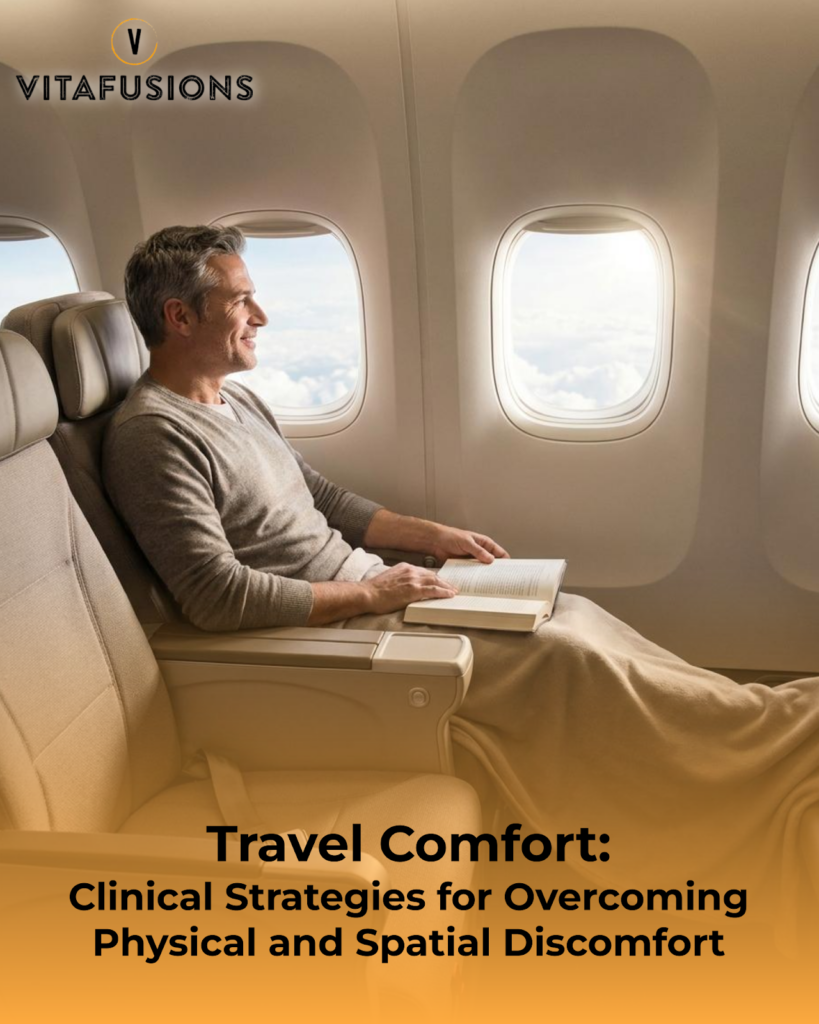
Travel Comfort: Clinical Strategies for Overcoming Physical and Spatial Discomfort
Travel Comfort: Clinical Strategies for Overcoming Physical and Spatial Discomfort
Traveling can be an exciting adventure, but it often comes with its own set of challenges. Long flights, cramped car rides, and unfamiliar environments can make the journey uncomfortable. Understanding how to manage these discomforts can make your travels much more enjoyable.
Understanding Travel Discomfort
Travel discomfort is common and can affect anyone. It often includes physical aches and pains from sitting too long, as well as feeling cramped in tight spaces. These issues can make traveling an unpleasant experience.
Many people feel frustrated and anxious when they can’t find a comfortable way to sit or stretch during a long trip. This can lead to stress and even make them dread future travels.
Common Issues
- Physical Aches: Sitting for long periods can cause back, neck, and leg pain.
- Spatial Discomfort: Tight spaces can make you feel trapped and restless.
- Fatigue: Lack of movement and poor sleep can make you feel tired and cranky.
Clinical Strategies for Comfort
Luckily, there are strategies to help overcome these discomforts. By using a few clinical approaches, you can make your travel experience much more pleasant.
Stretching and Movement
Regular stretching and movement can help prevent stiffness and pain. Try to stand up and move around every hour, even if it’s just for a few minutes.
- Stand and stretch your arms above your head.
- Walk around the cabin or car when it’s safe to do so.
- Roll your shoulders and neck to relieve tension.
Comfortable Seating
Adjusting your seat can make a big difference. Use a neck pillow or lumbar support to maintain good posture and reduce back strain.
Make sure your seat is in a comfortable position, with enough support for your lower back. This can help prevent aches and improve your overall comfort.
Hydration and Nutrition
Staying hydrated is crucial. Drink water regularly to keep your body feeling good. Avoid too much caffeine or alcohol, as they can dehydrate you.
Healthy snacks can also keep your energy levels up and prevent fatigue. Choose options like nuts, fruits, or granola bars for a quick boost.
Mindfulness and Relaxation
Practicing mindfulness can help you stay calm and reduce anxiety during travel. Take deep breaths and focus on something positive or calming.
Listening to music or guided meditations can also help you relax and make the journey more enjoyable.
Planning Ahead for Comfort
Planning ahead can greatly improve your travel experience. Consider your needs and prepare accordingly to avoid discomfort later on.
Choosing the Right Transportation
When possible, choose transportation that offers more space and comfort. For example, booking an aisle seat or a seat with extra legroom can make a big difference.
Consider the duration of your trip and factor in breaks. If you’re driving, plan for rest stops to stretch and move around.
Packing Comfort Essentials
Pack items that will help you stay comfortable. A small travel pillow, a blanket, and noise-canceling headphones can all enhance your comfort.
Don’t forget to pack light, as carrying heavy bags can add to your discomfort.
Conclusion
Travel discomfort is a common issue, but it doesn’t have to ruin your journey. By using these clinical strategies, you can overcome physical and spatial discomfort and enjoy your travels more.
Remember to plan ahead, move regularly, and keep yourself comfortable with the right tools and mindset. Safe travels!
Schedule a Free Consultation