
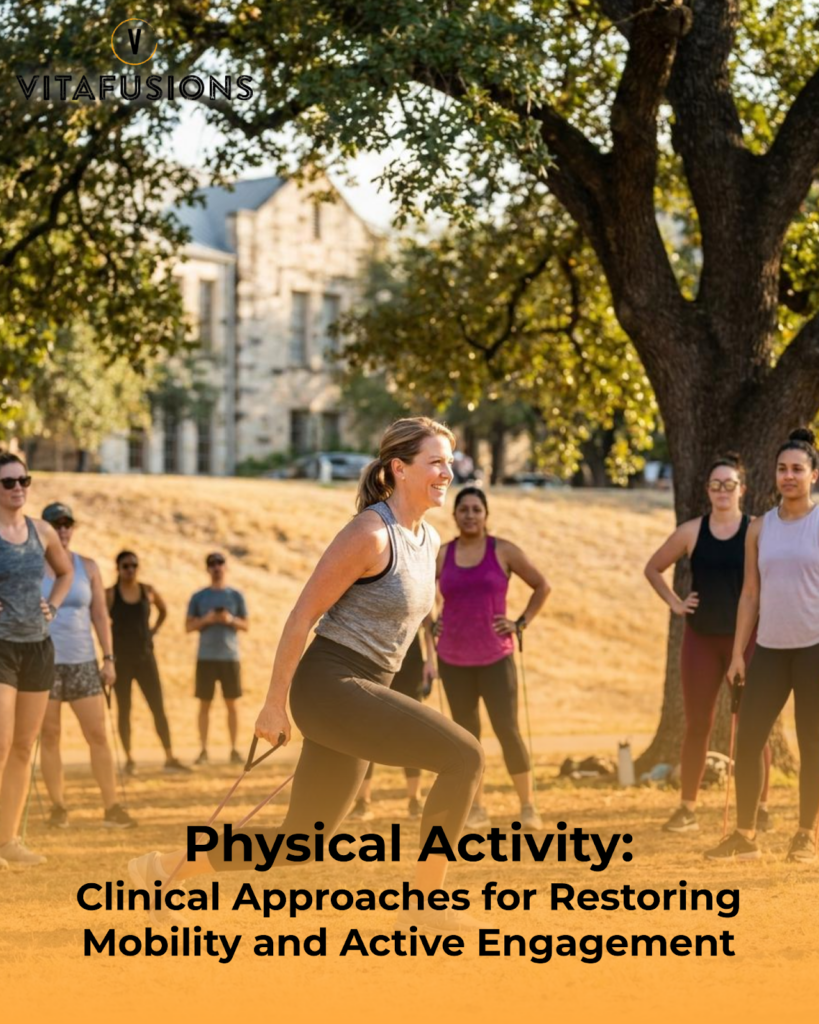
Physical Activity: Clinical Approaches for Restoring Mobility and Active Engagement
Physical Activity: Clinical Approaches for Restoring Mobility and Active Engagement
Keeping our bodies moving is essential for overall health and well-being. But sometimes, due to injuries or medical conditions, people find it challenging to stay active. Clinical approaches to physical activity can help restore mobility and keep us engaged in daily life.
Understanding Mobility Challenges
Mobility challenges can arise from different sources like arthritis, injuries, or chronic conditions. These issues can make it hard to do everyday activities like walking, climbing stairs, or even standing for a long time.
When mobility is reduced, it can lead to feelings of frustration and sadness. People might feel left out of activities they used to enjoy or worry about losing independence.
Living with limited mobility can also affect mental health. It might lead to feelings of isolation or fear of further injury. Understanding these feelings is the first step to finding solutions.
How Clinical Approaches Help
Clinical approaches to physical activity involve professional guidance to help restore movement. These methods are designed to be safe and effective, particularly for those with medical conditions or injuries.
Working with Experts
Physical therapists and medical professionals work together to create personalized plans. They understand the body’s mechanics and can tailor exercises to fit individual needs.
These experts focus on gradually improving strength, flexibility, and endurance. They ensure that the exercises are safe and suitable for the person’s specific condition.
Types of Clinical Exercises
Here are some common types of exercises used in clinical settings:
- Stretching: Helps improve flexibility and prevent stiffness.
- Strengthening: Builds muscle strength to support joints and bones.
- Aerobic Exercises: Boosts heart health and increases stamina.
- Balance Training: Reduces the risk of falls and improves coordination.
Customized Programs
Each person’s situation is unique, which is why customization is key. Clinical programs often start with an evaluation to understand the specific limitations and goals of the individual.
This personalized approach helps in setting realistic goals and tracking progress. It also ensures that the exercises remain challenging yet achievable.
Benefits of Physical Activity
Engaging in regular physical activity has numerous benefits that go beyond just improving mobility.
Improved Physical Health
Regular exercise can strengthen the heart, improve circulation, and lower the risk of chronic diseases like diabetes and hypertension.
It also helps in maintaining a healthy weight, which reduces stress on joints and improves overall mobility.
Mental Health Boost
Physical activity releases endorphins, which are chemicals in the brain that make you feel good. This can help reduce feelings of anxiety and depression.
Being active also provides a sense of accomplishment and can boost self-esteem and confidence.
Social Engagement
Participating in group exercises or therapy sessions can be a great way to meet new people. Social interaction is an important part of mental health and can provide support and encouragement.
Steps to Get Started
Starting a clinical exercise program can be an exciting journey towards better health. Here’s how you can begin:
- Consult a Professional: Talk to a doctor or physical therapist to understand what exercises are suitable for you.
- Set Realistic Goals: Decide what you want to achieve, whether it’s improving strength, flexibility, or overall health.
- Create a Schedule: Establish a routine that fits into your lifestyle and ensures regular activity.
- Track Progress: Keep a record of your achievements and challenges to stay motivated.
- Stay Consistent: Regular activity is key to seeing improvements, so keep at it!
Conclusion
Clinical approaches to physical activity offer a path to restoring mobility and enhancing active engagement in life. By understanding the challenges and embracing expert guidance, individuals can improve both their physical and mental well-being.
With dedication and the right support, overcoming mobility challenges is achievable, leading to a healthier, more fulfilling life. Remember, it’s never too late to start moving towards a better you!
Schedule a Free Consultation