
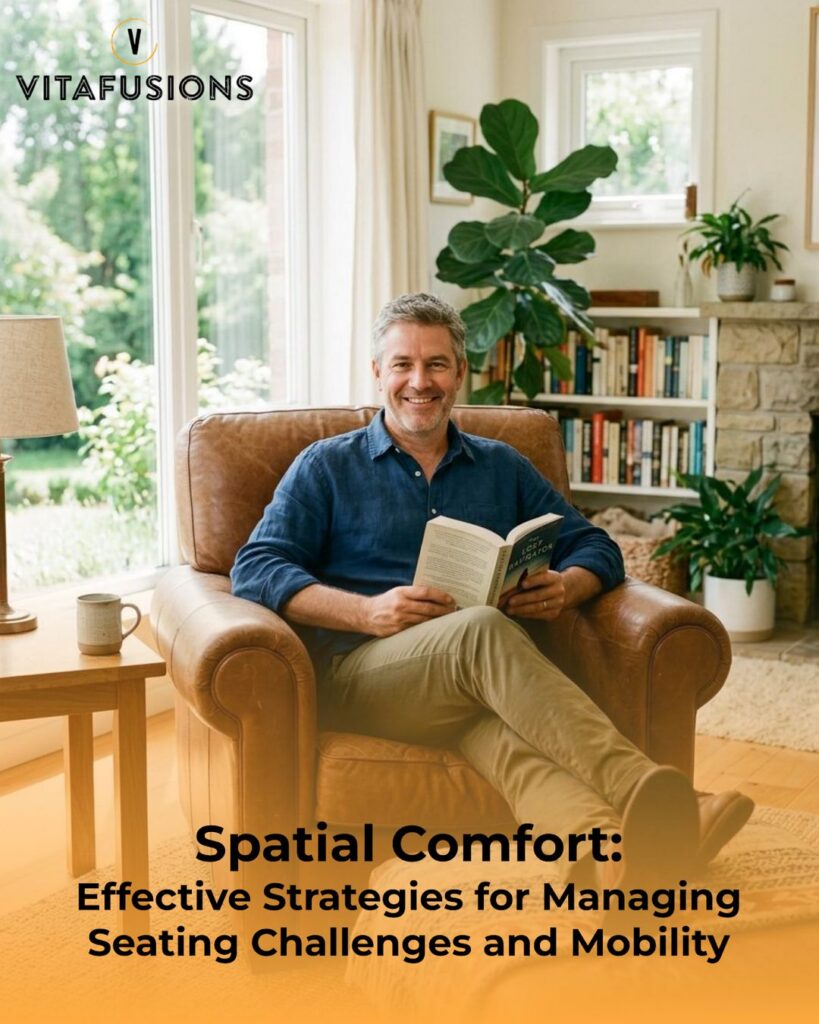
Spatial Comfort: Effective Strategies for Managing Seating Challenges and Mobility
Spatial Comfort: Effective Strategies for Managing Seating Challenges and Mobility
Spatial comfort is about making spaces work better for us, especially when it comes to seating and moving around. Many people face challenges in these areas, whether it’s due to tight spaces, awkward layouts, or accessibility issues. Let’s take a look at what these challenges feel like and how we can overcome them with effective strategies.
The Challenges of Seating and Mobility
Imagine constantly bumping into furniture or struggling to find a comfortable spot to sit. These are common frustrations people encounter in their daily lives, especially in homes or public places that aren’t designed with everyone in mind. Additionally, those with mobility challenges can feel left out or confined when spaces aren’t accommodating.
Here are some feelings and situations that people with seating and mobility challenges might experience:
- Frustration: Being unable to find a seat that fits, whether because of size or layout.
- Exclusion: Inaccessible spaces can make people feel left out, particularly if they use a wheelchair or similar aids.
- Stress: Constant worry about maneuvering through tight spaces can be exhausting.
- Discomfort: Sitting for long periods in the wrong type of chair can cause aches and pains.
Navigating these issues requires thoughtful design and planning to create a welcoming environment for everyone.
Understanding Effective Strategies for Improvement
Overcoming seating and mobility challenges starts with understanding the importance of creating flexible and accessible spaces. Let’s look at effective strategies that can make a big difference:
1. Incorporating Adjustable Furniture
Adjustable furniture is a game-changer for personal comfort and accessibility. Chairs and tables with adjustable heights can cater to different needs, making them ideal for a diverse group of people.
- Height-adjustable desks: Great for anyone who spends long hours working or studying, allowing for different postures.
- Reclining chairs: Offering more comfort options for those who need to adjust their sitting position frequently.
These types of furniture allow individuals to have control over their comfort and help in reducing physical strain.
2. Ensuring Adequate Space and Layout
Creating more space between furniture and ensuring clear pathways can significantly improve mobility. Some strategies include:
- Wider aisles: Essential for wheelchair users, wider pathways help everyone move around more easily.
- De-clutter: Reducing excess furniture and organizing belongings can prevent accidental bumps and falls.
A thoughtful layout not only enhances movement but also creates a more inviting and usable environment for everyone.
3. Utilizing Assistive Technology
There are numerous technologies designed to aid with mobility and seating comfort. These tools not only enhance accessibility but also ease transportation and use of spaces. Important assistive technologies include:
- Smart home devices: Voice-controlled lights and doors can increase independence for those with physical limitations.
- Mobility apps: Help with finding accessible routes in public spaces.
These technologies are invaluable in making everyday tasks easier and more manageable for individuals with mobility concerns.
4. Introducing Ergonomic Solutions
Ergonomic designs are focused on comfort and efficiency, reducing the risk of injury and strain. Key ergonomic solutions include:
- Ergonomic chairs: Provide lumbar support and distribute weight evenly, reducing back pain.
- Footrests and cushions: Assist with posture and comfort, especially for prolonged sitting periods.
Ergonomic furniture and accessories are designed to fit the body, not the other way around, making them perfect for prolonged use.
Conclusion: Creating Inclusive and Comfortable Spaces
Improving spatial comfort through these strategies not only benefits those with seating and mobility challenges but enhances the experience for everyone. By incorporating adjustable furniture, organizing spaces wisely, integrating assistive technologies, and applying ergonomic solutions, we can create inclusive spaces where everyone can feel comfortable and welcome.
As we continue to explore and implement these solutions, it’s important to remember that every small change can make a big difference in someone’s life. Let’s work towards making every space accessible and comfortable!