
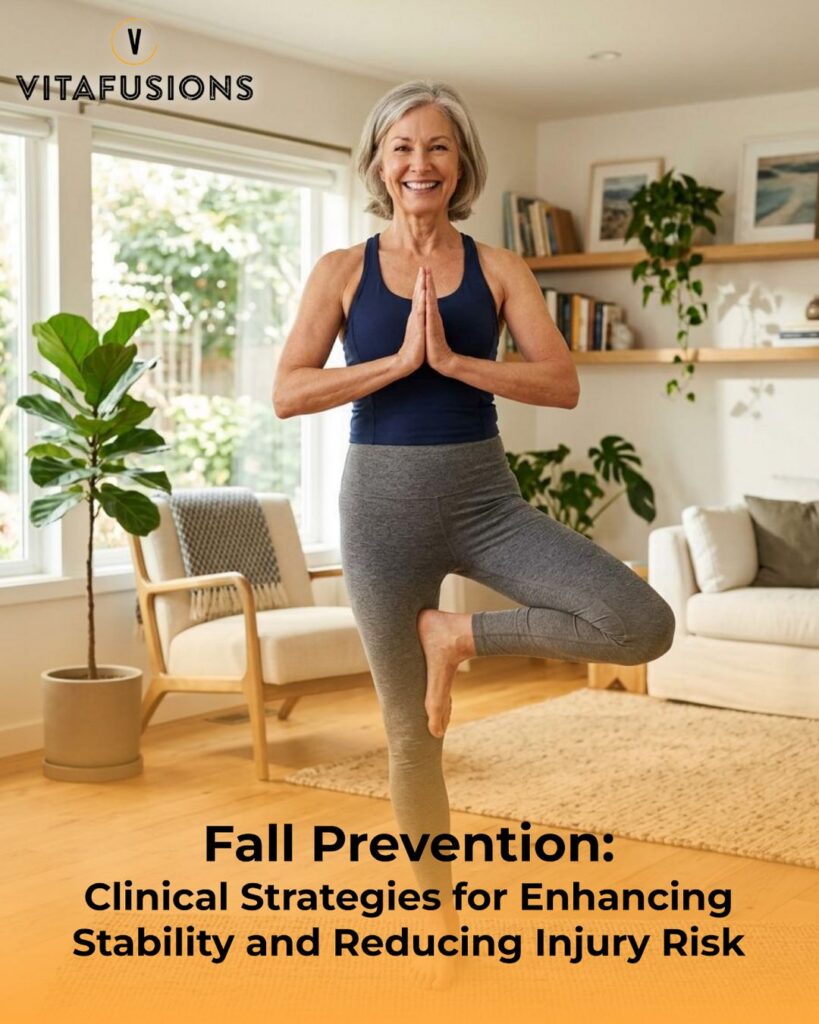
Fall Prevention: Clinical Strategies for Enhancing Stability and Reducing Injury Risk
Fall Prevention: Clinical Strategies for Enhancing Stability and Reducing Injury Risk
Preventing falls is really important, especially for older adults or individuals with stability issues. Falling can lead to injuries like broken bones or head trauma, which can really disrupt a person’s life. Thankfully, there are practical strategies and treatments that can help reduce the risk of falls and improve stability.
Understanding the Impact of Falls
Falls can be scary and dangerous. They can cause a lot of pain, make people feel scared to move, and create a big worry about safety. For many people, falling leads to hospital visits, long recovery times, and sometimes fearing to do normal day-to-day activities like walking outside or going shopping.
These incidents not only hurt physically but can also cause emotional distress, leading some to feel anxious or even embarrassed. It’s easy for someone who has fallen to start thinking they can’t do things on their own anymore, which can really damage their confidence.
Why Do Falls Happen?
Common Causes of Falls
- Slippery floors or wet surfaces
- Clutter around the house that can trip someone up
- Poor lighting making it hard to see clearly
- Weak muscles or balance problems
- Medical conditions and certain medications
Many falls happen because of a mix of these factors. Sometimes it’s the environment that needs fixing, like by adding more lights or clearing paths. Other times, it’s the person’s health that needs attention, such as strengthening their muscles or managing medications better.
The Role of Clinical Treatment in Fall Prevention
Healthcare professionals have designed some amazing treatments and strategies to help prevent falls. These methods focus on improving a person’s balance, strength, and ability to move safely.
Exercise Programs
One of the best ways to prevent falls is through exercise. Special classes or programs can focus on strengthening the muscles, boosting balance, and improving coordination. Common exercises might include:
- Balance training exercises, like standing on one leg
- Resistance exercises using weights or bands
- Cardio activities like walking, which helps with endurance
These activities make the body stronger and more stable, reducing the risk of tripping or losing balance.
Physical Therapy
For folks who need a bit more help, physical therapy can be a great option. Physical therapists can create customized plans focusing on an individual’s specific needs. This could include techniques for moving safely, exercises to improve balance, or even teaching how to prevent falls if they start to happen.
Medication Management
Sometimes, medications can make a person feel dizzy or unsteady. Doctors and pharmacists can work with individuals to review their medications, ensuring the medicines are necessary and not causing side effects that might lead to falls. Adjusting doses or switching to different medicines can often make a big difference.
Environmental Changes
Making simple changes at home can help prevent falls too. Healthcare providers often suggest small adjustments like:
- Removing tripping hazards like loose rugs or clutter
- Installing grab bars in bathrooms
- Adding night-lights in dark hallways or stairways
These changes make the home a safer place and reduce the risk of accidents.
Staying Steady with Support
With the right strategies, preventing falls can boost confidence and reduce the fear of getting hurt. Besides exercise, treatments, and environmental changes, having support from friends, family, and professionals is crucial.
This is where community programs and support groups can help. They offer encouragement and connect individuals with others who have similar experiences. It’s comforting to know that there’s a network of people ready to lend a hand or share tips on staying safe.
Encouraging a Positive Outlook
Preventing falls is more than just preventing accidents; it’s about improving overall quality of life. By focusing on balance, strength, and safe environments, individuals can enjoy their daily activities with more freedom and assurance.
The goal is to not only reduce the risks but also to empower individuals to feel more confident and enjoy their lives to the fullest. With the right tools and support, staying safe and steady is something that everyone can achieve.