
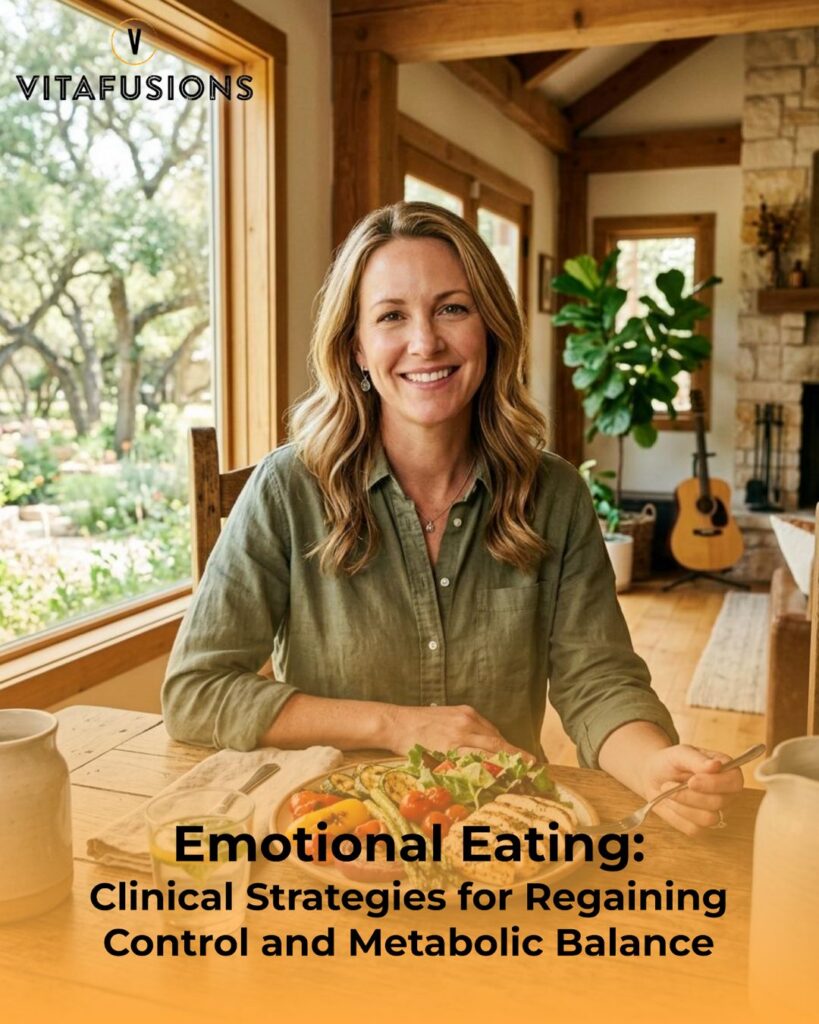
Emotional Eating: Clinical Strategies for Regaining Control and Metabolic Balance
Emotional Eating: Strategies for Taking Control and Finding Balance
Emotional eating is a way some people cope with feelings by turning to food for comfort. This coping mechanism can be tough because it might lead to unwanted weight gain or health issues. But don’t worry! There are strategies and treatments that can help regain control and restore balance.
Understanding Emotional Eating
Emotional eating occurs when people eat for reasons other than hunger. It often happens during times of stress, sadness, or boredom. Many folks reach for certain foods because they provide a temporary feeling of relief or happiness.
Living with emotional eating can be frustrating. It can feel like you’re stuck in a cycle of feeling bad, eating to feel better, and then feeling bad again because you ate too much or chose unhealthy foods.
Here are some feelings and situations people often experience with emotional eating:
- Stress and Anxiety: High levels of stress can trigger cravings for high-calorie or junk foods.
- Boredom: Eating becomes a way to pass the time, even when you’re not hungry.
- Lack of Control: Feeling out of control over food choices can lead to guilt and shame.
- Temporary Happiness: Eating certain foods can provide a short-term emotional high, similar to a reward.
Clinical Strategies for Managing Emotional Eating
Clinical strategies include treatments and practices managed by health professionals to help individuals address emotional eating. These strategies focus on understanding triggers, developing skills to cope with emotions, and establishing healthier relationships with food.
Cognitive Behavioral Therapy (CBT)
CBT is a type of therapy that helps people change unhelpful thoughts and behaviors. It can teach you to recognize what triggers emotional eating and how to respond to those triggers differently.
- Identify Triggers: Learn to notice what situations or feelings lead you to eat emotionally.
- Develop Coping Skills: Replace emotional eating with healthier coping mechanisms, like going for a walk or talking to a friend.
- Challenge Negative Thoughts: Understand that food is not a solution for emotions; learn positive self-talk.
Mindful Eating
Mindful eating is about being fully present when you eat, focusing on the experience of eating, and listening to your body’s hunger cues. It’s about enjoying food without distractions, like phones or TV.
- Awareness: Notice how food looks, smells, tastes, and feels in your mouth.
- Slow Down: Eat slowly and savor each bite to recognize when you’re full.
- Check In with Hunger: Ask yourself, “Am I truly hungry, or am I eating for another reason?”
Medically Supervised Programs
Medically supervised programs offer support from health professionals who can tailor a plan just for you. These programs often combine nutrition guidance, medical supervision, and emotional support.
The Role of Nutrition Counseling
Nutrition counseling involves working with a dietitian to create a healthy eating plan. It focuses on eating the right foods in the right amounts, tailored to your unique needs and lifestyle.
- Balanced Diet: Learn about nutritious foods that keep you satisfied and energized.
- Portion Control: Understand how much you should eat to avoid overeating.
- Meal Planning: Plan meals ahead of time to make healthier choices easier.
Support Groups
Joining a support group can be empowering. It connects you with others experiencing similar challenges, providing a sense of community and motivation.
- Share experiences and tips for dealing with emotional eating.
- Receive encouragement and accountability.
- Learn from others’ successes and challenges.
Practical Tips for Managing Emotional Eating
Besides professional help, there are simple strategies you can practice daily. These can help you manage emotional eating and build a healthier relationship with food.
- Keep a Food Journal: Track what you eat and how you feel to understand patterns.
- Find Enjoyable Activities: Engage in hobbies or activities that distract from emotional eating.
- Practice Self-care: Take time for yourself, relax, and do things that bring joy without needing food.
- Set Realistic Goals: Focus on small, achievable goals to build confidence and momentum.
Empowering Change for a Balanced Life
Regaining control over emotional eating is a journey, not an overnight change. Yes, it can be challenging, but with the right strategies and support, you can achieve a healthier, more balanced life.
It’s important to remember that it’s okay to seek help from professionals. Programs like Vitafusions Medical Weight Loss in Lantana, TX can offer guidance and support tailored to your needs. By combining medical expertise with ongoing encouragement, you can find both confidence and success on your path to a balanced lifestyle.
Embrace the journey towards better health and well-being by understanding your emotions, finding supportive communities, and taking small steps each day. You deserve a balanced life, free from the control of emotional eating.